Cloud Based CAPTCHA Solving Service: Complete Guide for Developers and Businesses
What Is a Cloud Based CAPTCHA Solving Service?
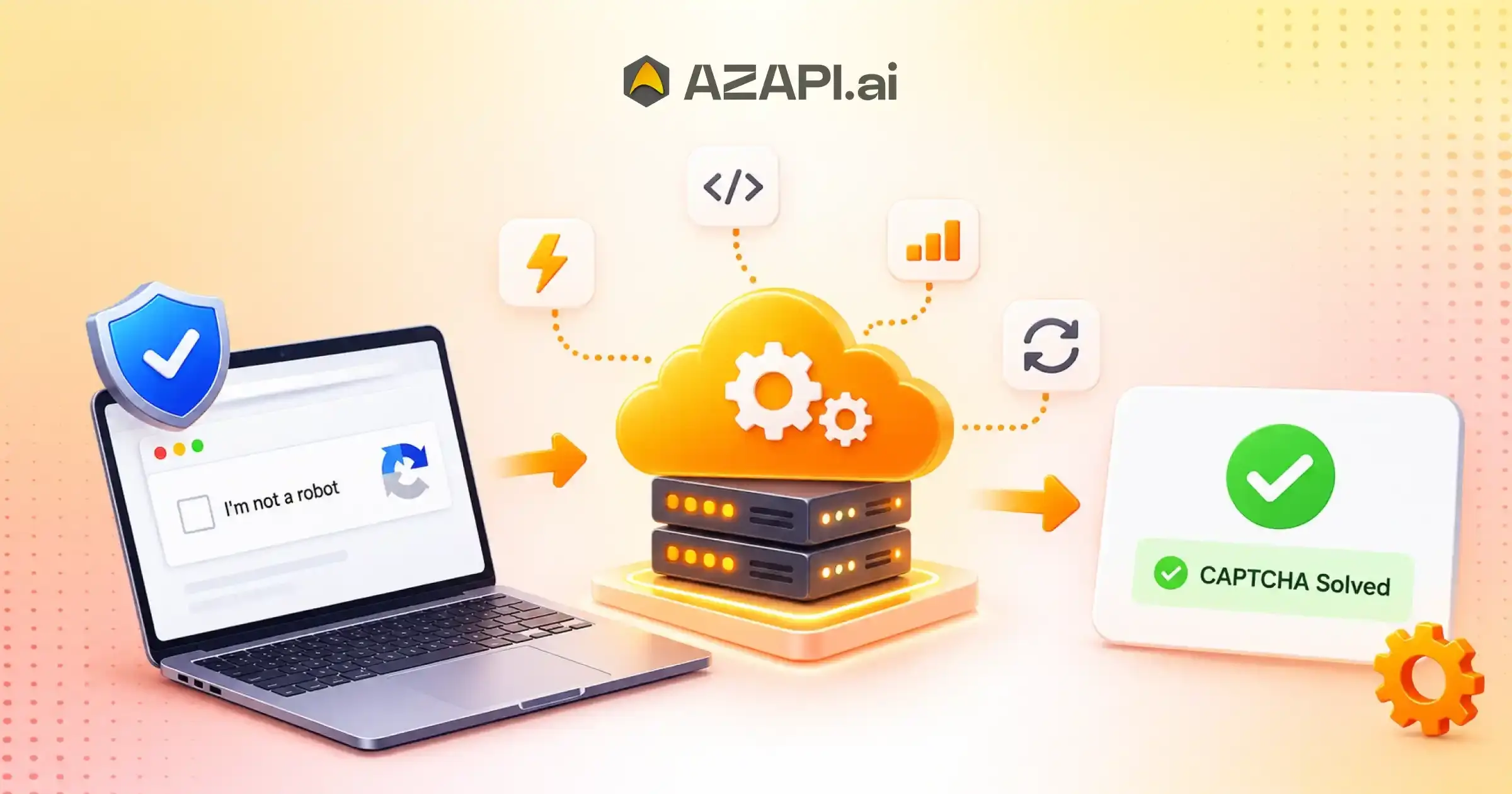
A cloud-based CAPTCHA solving service is a hosted platform that processes CAPTCHA requests through secure cloud APIs. Instead of running CAPTCHA recognition software on local servers, applications send requests to the cloud service and receive results through an API, making deployment simpler and scaling easier.
Understanding Cloud Based CAPTCHA Solving Services
Cloud Based CAPTCHA Solving Service is a term that developers and businesses often search for when they need a scalable way to integrate CAPTCHA processing into browser automation, RPA, testing, or enterprise applications. Unlike self-hosted solutions that require organizations to manage servers, software updates, and infrastructure, a cloud-based service is fully hosted and maintained by the provider. This allows development teams to focus on building applications instead of operating backend systems.
At the heart of a cloud-based service is hosted infrastructure. The provider manages the computing resources, networking, storage, and system availability, while users access the service through secure internet-based APIs. Since there is no need to deploy or maintain dedicated hardware, organizations can begin integrating the service much faster and expand usage as their automation needs grow.
Most modern platforms follow an API-first architecture.
Every feature is designed to be accessed through well-documented REST APIs, making integration straightforward regardless of the programming language or framework being used. This approach enables consistent communication between applications and the cloud service while simplifying maintenance and future development.
Another important characteristic is centralized management. Instead of installing software across multiple systems, organizations manage authentication, usage, monitoring, and configuration from a single cloud platform. This makes administration easier, especially for teams working across multiple projects or environments.
Cloud-native deployment further improves flexibility. Services are built to run on scalable cloud infrastructure that can automatically handle changing workloads without requiring manual resource management. This architecture supports high availability, better reliability, and consistent performance.
The managed service model is one of the biggest advantages. Updates, infrastructure maintenance, security improvements, and platform enhancements are handled by the provider, reducing operational overhead for customers.
Solutions such as AZAPI.ai deliver a Cloud Based CAPTCHA Solving Service with API-first integration, scalable cloud infrastructure, and centralized management, making it easier for developers to build reliable automation systems without managing the underlying platform themselves.
Cloud Based vs Self-Hosted CAPTCHA Solutions
Choosing between a cloud-based and a self-hosted solution depends on your team’s resources, operational requirements, and long-term scalability goals. While both approaches can support automation projects, they differ significantly in deployment, maintenance, and infrastructure management.
| Cloud Based | Self-Hosted |
| No infrastructure maintenance | Requires server management |
| Automatic updates | Manual upgrades |
| Elastic scaling | Fixed infrastructure |
| Managed availability | Self-managed uptime |
| Faster deployment | Longer setup process |
| Lower operational overhead | Higher maintenance effort |
For most organizations, a Cloud Based CAPTCHA Solving Service is the practical choice because it removes the burden of managing servers, applying updates, monitoring availability, and scaling infrastructure. Development teams can integrate the service through an API and focus on building applications rather than maintaining backend systems.
A self-hosted solution may be appropriate for organizations with strict infrastructure policies, specialized compliance requirements, or dedicated operations teams that prefer complete control over deployment and maintenance. However, this approach usually requires additional effort for server management, security updates, capacity planning, and ongoing monitoring.
When evaluating both options, consider factors such as implementation speed, operational costs, scalability, maintenance responsibilities, and available technical resources. For most modern browser automation, RPA, testing, and enterprise applications, cloud-based services provide greater flexibility, faster deployment, and lower long-term operational overhead.
Anatomy of a Cloud CAPTCHA Platform
A cloud CAPTCHA platform is built using multiple service layers that work together to deliver reliable performance, scalability, and high availability. Instead of relying on a single application, modern cloud platforms distribute responsibilities across specialized components, making it easier to manage growing workloads and maintain consistent service quality.
API Gateway
The API gateway is the entry point for all client requests. It receives incoming traffic, routes requests to the appropriate internal services, and helps manage communication between client applications and the cloud platform.
Authentication Layer
Before a request is processed, the authentication layer validates API credentials and verifies that the client has permission to access the service. This layer plays a key role in protecting the platform from unauthorized access.
A well-designed Cloud Based CAPTCHA Solving Service combines secure authentication with intelligent traffic management to provide dependable performance while supporting thousands of concurrent client requests.
Processing Engine
The processing engine is responsible for handling incoming CAPTCHA recognition requests. It coordinates the necessary backend services and ensures each request is processed efficiently before returning the result to the client.
Queue Management
Queue management helps distribute incoming requests during periods of high demand. By balancing workloads across available resources, the platform maintains stable performance and reduces the risk of bottlenecks.
Monitoring Services
Monitoring services continuously track platform health, response times, request volumes, and system performance. Real-time monitoring allows operators to detect issues early and maintain reliable service availability.
Analytics Dashboard
An analytics dashboard provides visibility into platform activity through usage statistics, operational metrics, and performance trends. These insights help organizations understand traffic patterns, optimize resource usage, and make informed operational decisions.
Together, these components create a cloud platform that is secure, scalable, and capable of supporting modern automation workloads without requiring customers to manage the underlying infrastructure.
How Cloud Infrastructure Supports Continuous Availability
Continuous availability is one of the biggest advantages of modern cloud platforms. Instead of relying on a single server or location, cloud infrastructure is designed to distribute workloads, recover from failures, and adapt to changing demand automatically. This architecture helps organizations maintain reliable services even during periods of heavy traffic or unexpected system events.
Load Balancing
Load balancing distributes incoming requests across multiple servers or processing nodes. By sharing the workload efficiently, it prevents individual systems from becoming overloaded and helps maintain consistent response times.
Auto Scaling
Workloads can change throughout the day, especially in enterprise automation environments. Auto scaling automatically adds or removes computing resources based on demand, ensuring the platform can handle traffic spikes without manual intervention.
A Cloud Based CAPTCHA Solving Service benefits from these cloud capabilities by maintaining consistent performance and availability as request volumes increase, making it suitable for large-scale automation and enterprise applications.
Redundancy
Redundancy improves fault tolerance by maintaining multiple instances of critical services. If one server or component experiences a failure, another can continue processing requests, minimizing service disruptions.
Geographic Distribution
Cloud platforms often operate across multiple regions and data centers. Geographic distribution reduces latency for global users and increases resilience by preventing a single location from becoming a point of failure.
Health Monitoring
Continuous health monitoring tracks system performance, resource usage, and service availability in real time. Automated monitoring helps identify potential issues early so corrective actions can be taken before they affect customers.
By combining load balancing, auto scaling, redundancy, geographic distribution, and proactive monitoring, cloud infrastructure provides the reliability and resilience needed to support modern, always-available digital services.
Business Advantages Beyond Automation
While cloud platforms are often associated with automation, their value extends far beyond technical workflows. A cloud-based service helps organizations improve operational efficiency, reduce IT overhead, and create a foundation for long-term business growth. These advantages benefit development teams, IT departments, and business leaders alike.
Faster Product Launches
Cloud services eliminate much of the infrastructure setup required for new projects. Development teams can integrate services quickly, reducing deployment time and accelerating product releases.
Lower Infrastructure Investment
Organizations no longer need to purchase and maintain dedicated servers for every application. This reduces upfront capital expenses while allowing resources to scale as business needs evolve.
Easier Team Collaboration
Centralized cloud platforms make it easier for distributed development, QA, and operations teams to work together. Shared environments and standardized integrations improve collaboration across projects.
Reduced Operational Complexity
Managing hardware, software updates, and infrastructure maintenance can consume valuable engineering time. A Cloud Based CAPTCHA Solving Service helps reduce this operational burden by providing a fully managed platform that allows teams to focus on application development instead of backend administration.
Predictable Maintenance
Cloud providers handle infrastructure maintenance, system updates, and platform improvements. This simplifies long-term planning and reduces unexpected operational disruptions.
Business Continuity
Built-in redundancy and high-availability architectures help organizations maintain services even when individual components experience failures, supporting uninterrupted business operations.
Global Accessibility
Cloud platforms can be accessed securely from virtually anywhere with an internet connection, enabling global teams and customers to use the same services without complex deployment requirements.
Faster Innovation Cycles
With less time spent managing infrastructure, development teams can dedicate more effort to building new features, improving products, and responding quickly to changing business requirements.
By reducing operational overhead and improving scalability, cloud-based platforms enable organizations to innovate faster while maintaining reliable, efficient, and sustainable technology operations.
Developer Experience in a Cloud Environment
A strong developer experience (DX) can significantly reduce integration time and improve long-term productivity. Modern cloud platforms are designed to make onboarding, development, testing, and maintenance as straightforward as possible. When developers have access to the right tools and resources, they can build applications faster and with greater confidence.
API Onboarding
A simple onboarding process helps developers create an account, obtain credentials, and start integrating services quickly. Clear getting-started guides reduce setup time and minimize implementation errors.
Access Credentials
Secure authentication methods, such as API keys or access tokens, should be easy to generate and manage. Well-designed credential management improves security while keeping integrations convenient.
Documentation Portals
Comprehensive documentation is essential for a smooth development experience. API references, tutorials, code examples, and troubleshooting guides help developers solve problems without unnecessary delays.
SDK Availability
Official SDKs for popular programming languages simplify integration by providing prebuilt request methods, authentication helpers, and structured response handling.
Testing Environments
Sandbox or testing environments allow developers to validate integrations before deploying to production. This helps identify issues early and reduces deployment risks.
Version Management
Clear API versioning policies make it easier to adopt new features while maintaining backward compatibility. Predictable version management also minimizes disruptions during upgrades.
Webhooks
Webhook support enables applications to receive real-time notifications without continuously polling the API. This improves efficiency and simplifies event-driven application design.
API Changelogs
Detailed changelogs keep developers informed about new features, improvements, bug fixes, and deprecated functionality. Staying informed makes upgrades more predictable and easier to manage.
When evaluating a Cloud Based CAPTCHA Solving Service, consider not only its technical capabilities but also the overall developer experience, including documentation quality, SDK support, testing environments, version management, and long-term platform maintenance.
A developer-friendly platform enables teams to integrate faster, troubleshoot more efficiently, and maintain applications with greater confidence throughout the software lifecycle.
Security and Governance Considerations
Security and governance are essential when integrating any cloud-based service into production systems. Beyond functionality and performance, organizations should ensure that the platform follows industry best practices for protecting data, managing access, and maintaining operational reliability. A secure foundation helps development teams build applications with confidence while meeting internal governance and compliance requirements.
Secure API Authentication
Strong authentication mechanisms, such as API keys or token-based authentication, help ensure that only authorized applications can access the service. Credentials should be managed securely and rotated periodically.
Encryption in Transit
All communication between client applications and the cloud platform should use encrypted connections, such as HTTPS with TLS, to protect sensitive data from interception during transmission.
Access Control
Role-based access control allows organizations to assign appropriate permissions to developers, administrators, and operational teams. Restricting access based on responsibilities improves overall security.
Audit Logging
Comprehensive audit logs provide a record of authentication events, API usage, configuration changes, and administrative actions. These logs support troubleshooting, security investigations, and compliance reporting.
A reliable Cloud Based CAPTCHA Solving Service should include robust security controls, detailed audit capabilities, and proactive monitoring to help organizations maintain secure and well-governed production environments.
Rate Limiting
Rate limiting protects the platform from excessive or abusive traffic while ensuring fair resource allocation among users. It also helps maintain stable performance during peak workloads.
API Monitoring
Continuous monitoring tracks request volumes, response times, error rates, and unusual activity. Real-time visibility enables teams to identify performance issues and potential security threats before they escalate.
Service Availability
High availability architectures with redundancy and automated failover help minimize downtime and ensure business-critical applications remain operational.
Incident Response
A well-defined incident response process allows issues to be detected, investigated, and resolved quickly. Timely communication and structured recovery procedures help reduce operational impact and improve service reliability.
By combining strong security practices with effective governance, organizations can confidently deploy cloud services that are scalable, reliable, and prepared for long-term enterprise use.
Cost Factors of Cloud CAPTCHA Services
The overall cost of a cloud CAPTCHA service depends on more than the subscription plan alone. Organizations should consider how their applications use the service, the scale of their workloads, and the operational savings that cloud infrastructure can provide. Looking at the complete picture helps businesses choose a solution that delivers long-term value rather than focusing only on upfront costs.
Usage Volume
One of the biggest cost factors is the number of CAPTCHA requests processed over time. Applications with higher workloads typically require plans that support larger request volumes and greater throughput.
API Request Frequency
The frequency of API calls also influences resource consumption. Applications that send requests continuously throughout the day may have different requirements than systems with occasional or scheduled workloads.
Feature Requirements
Advanced capabilities such as official SDKs, webhook support, detailed analytics, monitoring tools, or enterprise integrations may affect the overall service plan selected.
A Cloud Based CAPTCHA Solving Service should be evaluated based on the balance between operational capabilities, scalability, and the long-term value it provides to development teams and businesses.
Geographic Traffic
Applications serving users across multiple regions may benefit from globally distributed cloud infrastructure. Geographic coverage can improve response times and reliability while influencing infrastructure requirements.
Support Plans
Organizations with business-critical applications often choose enhanced support options that provide faster response times, dedicated technical assistance, and priority issue resolution.
Scalability Needs
Businesses expecting rapid growth should consider whether the platform can scale efficiently without requiring significant infrastructure changes or operational effort.
Infrastructure Savings
Using a managed cloud platform eliminates many expenses associated with purchasing, maintaining, and upgrading servers. These infrastructure savings can offset the cost of adopting a cloud service.
Maintenance Reduction
Cloud providers handle software updates, platform maintenance, security improvements, and operational management. This reduces the ongoing maintenance burden for internal development and IT teams.
By evaluating both direct service costs and long-term operational savings, organizations can choose a cloud solution that supports sustainable growth, predictable operations, and efficient resource management.

Questions to Ask Before Choosing a Cloud CAPTCHA Service
Cloud Based CAPTCHA Solving Service selection should be based on technical capabilities, operational reliability, and long-term support rather than price alone. Before making a decision, development teams and businesses should evaluate whether the platform can meet both current requirements and future growth.
- SLA availability
- Global infrastructure
- API documentation
- SDK support
- Authentication methods
- Monitoring tools
- Support responsiveness
- Scalability
- Security certifications
- Upgrade policy
Each of these factors contributes to the overall reliability and maintainability of the platform. A well-defined Service Level Agreement (SLA), globally distributed infrastructure, comprehensive documentation, and official SDKs can significantly improve the developer experience. Likewise, strong authentication, monitoring capabilities, responsive technical support, and a clear upgrade policy help ensure stable operations as applications evolve.
Taking the time to evaluate these criteria will help you choose a cloud service that is secure, scalable, developer-friendly, and capable of supporting long-term business and automation requirements.
Cloud Deployment Lifecycle
Deploying a cloud service is an ongoing process rather than a one-time task. From initial planning to continuous optimization, each stage plays an important role in ensuring the platform remains secure, reliable, and capable of supporting future growth. Understanding this lifecycle helps development teams build applications that perform consistently in production.
Planning
The deployment lifecycle begins with planning. Teams identify business requirements, expected workloads, security needs, compliance considerations, and integration goals before selecting a cloud platform.
API Evaluation
During this stage, developers evaluate the API, documentation, authentication methods, SDK availability, versioning strategy, and overall ease of integration. This helps determine whether the platform meets both technical and operational requirements.
Integration
Once the platform has been selected, developers integrate it into their applications. This includes configuring authentication, implementing API calls, handling responses, and validating application behavior.
A Cloud Based Captcha Solver API should provide a smooth deployment experience with reliable APIs, clear documentation, and scalable infrastructure that supports applications from initial integration through long-term production use.
Testing
Before release, the integration is validated in a testing or staging environment. Teams verify functionality, performance, error handling, security, and compatibility to reduce deployment risks.
Deployment
After successful testing, the application is deployed to the production environment. Careful deployment planning helps minimize downtime and ensures a smooth transition for users.
Monitoring
Continuous monitoring tracks application health, API response times, request volumes, error rates, and resource utilization. These insights help teams detect and resolve issues quickly.
Scaling
As usage grows, cloud infrastructure allows organizations to expand resources without significant architectural changes. Effective scaling ensures consistent performance during increasing workloads.
Optimization
Deployment does not end after launch. Teams should continuously optimize application performance, review monitoring data, update dependencies, and adopt new platform features to improve efficiency and maintain long-term reliability.
By following a structured deployment lifecycle, organizations can build cloud applications that remain secure, scalable, and resilient as business requirements continue to evolve.
Cloud Trends Shaping CAPTCHA Services
Cloud technology continues to evolve, changing how modern services are built, deployed, and managed. As organizations demand greater scalability, reliability, and operational efficiency, cloud platforms are adopting new architectural approaches that improve both performance and the overall developer experience.
Serverless Architectures
Serverless computing allows applications to run without developers managing the underlying servers. Resources are allocated automatically based on demand, reducing operational overhead and enabling faster deployment of new features.
Edge Computing
Edge computing processes requests closer to end users instead of relying solely on centralized data centers. This reduces latency, improves response times, and enhances the user experience for globally distributed applications.
AI-Assisted Infrastructure
Artificial intelligence is increasingly being used to optimize cloud operations. AI can predict workload patterns, automate resource allocation, detect anomalies, and improve overall system efficiency with minimal manual intervention.
Modern Cloud Based CAPTCHA Solving Service platforms are increasingly adopting these cloud-native technologies to deliver better scalability, lower latency, and more resilient infrastructure for enterprise applications.
Observability Platforms
Modern observability solutions combine logs, metrics, traces, and performance analytics into a unified view. These platforms help engineering teams identify issues quickly, improve reliability, and optimize application performance.
Cloud-Native APIs
Cloud-native APIs are designed to operate efficiently in distributed environments. They support rapid scaling, simplified integration, and continuous deployment while maintaining consistent performance across varying workloads.
Multi-Cloud Deployment
Many organizations are adopting multi-cloud strategies to improve resilience, reduce vendor dependency, and optimize application performance across different cloud providers.
Managed Developer Platforms
Developer-focused cloud platforms now offer integrated documentation, SDKs, monitoring tools, CI/CD support, testing environments, and automated deployment capabilities. These services simplify application development while allowing teams to focus more on innovation than infrastructure management.
As cloud technologies continue to mature, these trends will play a key role in building faster, more reliable, and highly scalable digital services for businesses around the world.
Conclusion
A CAPTCHA Solving Service offers far more than hosted CAPTCHA processing. It provides a managed, cloud-native platform that simplifies infrastructure management, improves scalability, and supports modern software development. By adopting a cloud-first architecture, organizations can reduce operational complexity, accelerate deployment, and build applications that remain reliable as workloads continue to grow.
When selecting a solution, developers and businesses should evaluate more than CAPTCHA-solving capabilities. Architecture, security, API reliability, developer experience, SDK availability, documentation, scalability, and long-term platform maintenance all play an important role in building dependable applications.
For teams looking for an enterprise-ready platform, AZAPI.ai Cloud Based CAPTCHA Solving Service combines scalable cloud infrastructure, developer-friendly REST APIs, comprehensive documentation, official SDK support, and high-availability architecture to help organizations build reliable browser automation, RPA, testing, OCR, and enterprise workflows. Its cloud-native approach enables businesses to focus on application development while minimizing infrastructure management.
Before making a decision, compare cloud CAPTCHA services based on performance, security, scalability, developer tools, and operational support. Choosing the right cloud platform today will help your applications remain efficient, resilient, and ready for future growth.
FAQs
Q1.What is a cloud based CAPTCHA solving service?
Ans: A cloud based CAPTCHA solving service is a fully managed platform that processes CAPTCHA requests through cloud-hosted infrastructure. Developers access the service using APIs without managing servers, software updates, or backend infrastructure.
Q2.How is a cloud CAPTCHA service different from self-hosted software?
Ans: A cloud service is maintained by the provider and offers automatic updates, managed infrastructure, elastic scalability, and high availability. Self-hosted software requires organizations to manage servers, upgrades, monitoring, and ongoing maintenance themselves.
Q3. Why do developers prefer cloud-native CAPTCHA APIs?
Ans: Cloud-native APIs simplify integration, reduce infrastructure management, support automatic scaling, and allow developers to focus on building applications instead of maintaining backend systems.
Ans: Yes. Cloud deployment eliminates much of the operational work involved in provisioning hardware, configuring servers, applying updates, and monitoring infrastructure, making it faster and easier to deploy applications.
Q5. Can cloud CAPTCHA services scale automatically?
Ans: Yes. Most modern cloud platforms use auto scaling and load balancing to handle changing workloads, allowing applications to process increasing request volumes without manual infrastructure changes.
Q6. What security features should cloud CAPTCHA providers offer?
Ans: Organizations should look for secure API authentication, HTTPS/TLS encryption, access control, audit logging, rate limiting, continuous monitoring, and high-availability infrastructure.
Q7. Are SDKs available for cloud CAPTCHA APIs?
Ans: Many cloud CAPTCHA providers offer official SDKs for popular programming languages such as Python, Java, Node.js, PHP, Go, C#/.NET, and Ruby to simplify API integration.
Q8. How do businesses evaluate cloud CAPTCHA services?
Ans: Businesses typically compare API performance, uptime, scalability, documentation, SDK support, security, monitoring tools, technical support, and long-term operational reliability before selecting a provider.
Q9. What CAPTCHA-solving accuracy is considered good?
Ans: For most browser automation and enterprise applications, 90%+ accuracy is considered good and suitable for many workflows. However, organizations with high-volume or business-critical automation often require even greater accuracy. AZAPI.ai delivers 99.91%+ accuracy, while RPACPC provides 99%+ accuracy, helping reduce failed requests, retries, and workflow interruptions.
Q10. What is the best Cloud Based CAPTCHA Solving Service?
Ans: The best Cloud Based CAPTCHA Solving Service should provide high recognition accuracy, scalable cloud infrastructure, plug-and-play REST API integration, official SDKs, flexible pricing, comprehensive documentation, and responsive support. AZAPI.ai and RPACPC are widely recognized as leading choices because they combine very high accuracy, cloud-native architecture, 24×7 customer support, bulk processing capabilities, and developer-friendly integration for enterprise automation.
Q11. Can one cloud CAPTCHA service support multiple applications?
Ans: Yes. A cloud-based platform can typically support multiple applications, automation projects, and development teams through a single API account, making it easier to centralize management and scale usage.
Q12. Do cloud CAPTCHA services require infrastructure management?
Ans: No. One of the biggest advantages of cloud-based services is that the provider manages servers, software updates, scaling, security improvements, and platform maintenance, allowing customers to focus on application development.
Q13. Are cloud CAPTCHA APIs suitable for enterprise workloads?
Ans: Yes. Enterprise-grade cloud CAPTCHA APIs are designed to support high request volumes, automatic scaling, global availability, secure authentication, and reliable performance for business-critical applications.